 JOIN THE LIST & SAVE 15% OFF YOUR FIRST ORDER
Behind the label: What does “All Natural” REALLY Mean?
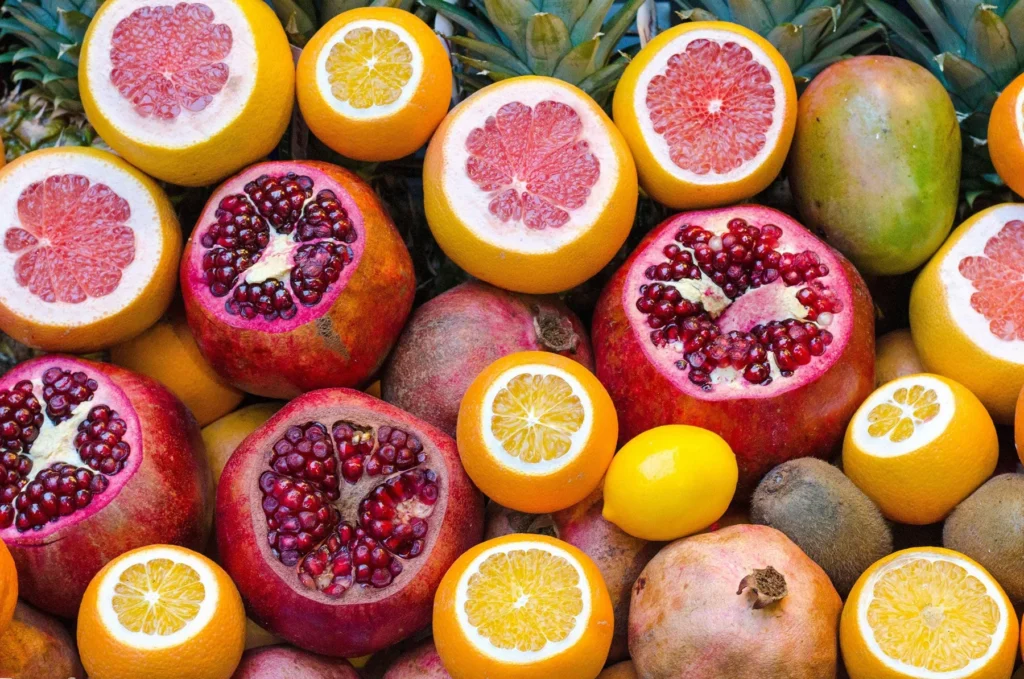
If you stroll down the aisles of your local grocery store, you’re more than likely to encounter the label: “natural” or “all-natural.” While these labels should seem straight-forward, and should indicate that the food is natural (i.e. close to nature), that hardly seems the case– especially when it’s slapped on snacks like Cheetos and Oreos, or on fruit drinks that contain high-fructose corn syrup. It’s almost oxymoronic, and yet a study has found that nearly 73% of shoppers look for products with the “natural” label — a greater percentage than those who purchased more stringently labeled “organic” foods. So what is the truth? Do these “natural” labels hold any merit? The short answer, no. The Food and Drug Administration has no official definition of “natural food” — in part, they say, because a great many foods in the grocery store have usually been processed or altered in some way and so it’s difficult to draw a clear line. In fact, back in 1991, the FDA even tried to come up with a more precise standard– only to eventually give up. The result thus became that the FDA doesn’t even regulate most uses of “natural” labels, only going so far as to occasionally send warning letters — if, say, a product is labeled “all-natural” but contains citric acid or calcium chloride or potassium sorbate. (Though, as one investigation by the Center for Science in the Public Interest found, those warning letters often go ignored by food companies.) A 2019 lawsuit in Washington D.C. aimed to challenge the use of the “natural” label on meat products. Animal rights group, the Animal Legal Defense Fund, argued that Hormel’s “Natural Choice” line misled consumers by implying their meats were free of antibiotics and hormones. However, the lawsuit was dismissed as “natural” under the USDA definition which simply requires minimal processing and no artificial ingredients. This broad definition allows products like Cheetos, some Oreos, and peanut butter to be labeled “natural,” even if the animals they come from were raised with antibiotics or hormones. In essence, Hormel’s packaging adhered to the legal definition of “natural” as outlined by the USDA. So, if you’d been wondering if an “all-natural” label is worth the extra dollar or two, the answer comes to a strict no. Instead, we recommend that you stick to the ingredient list. Since there is no official definition of natural, you should decide for yourself how YOU define natural and what actually matters to you when it comes to the foods and ingredients you’re putting into your body and feel confident in all of the items on the list. Our founder initially created the recipes for each of our products in her own kitchen for her son who has a corn allergy, and when she decided to mass produce them, she aimed to stay as close to her home recipes as possible. Every single ingredient used in all of our products is not only something you can pronounce but also something you’d find in your own kitchen. In the labyrinth of food labeling, the term “natural” is misleading at best, straight-up lying at worst. With no clear regulatory framework, it’s up to consumers to navigate the aisles with skepticism and a discerning eye, lest they fall victim to the marketing ploys of food conglomerates. As we ponder the contents of our shopping carts, one thing is clear: shop from brands you trust instead of trying to decipher labels at 2pm on a Sunday.
What’s the deal with European flour, and why is it so much better than American
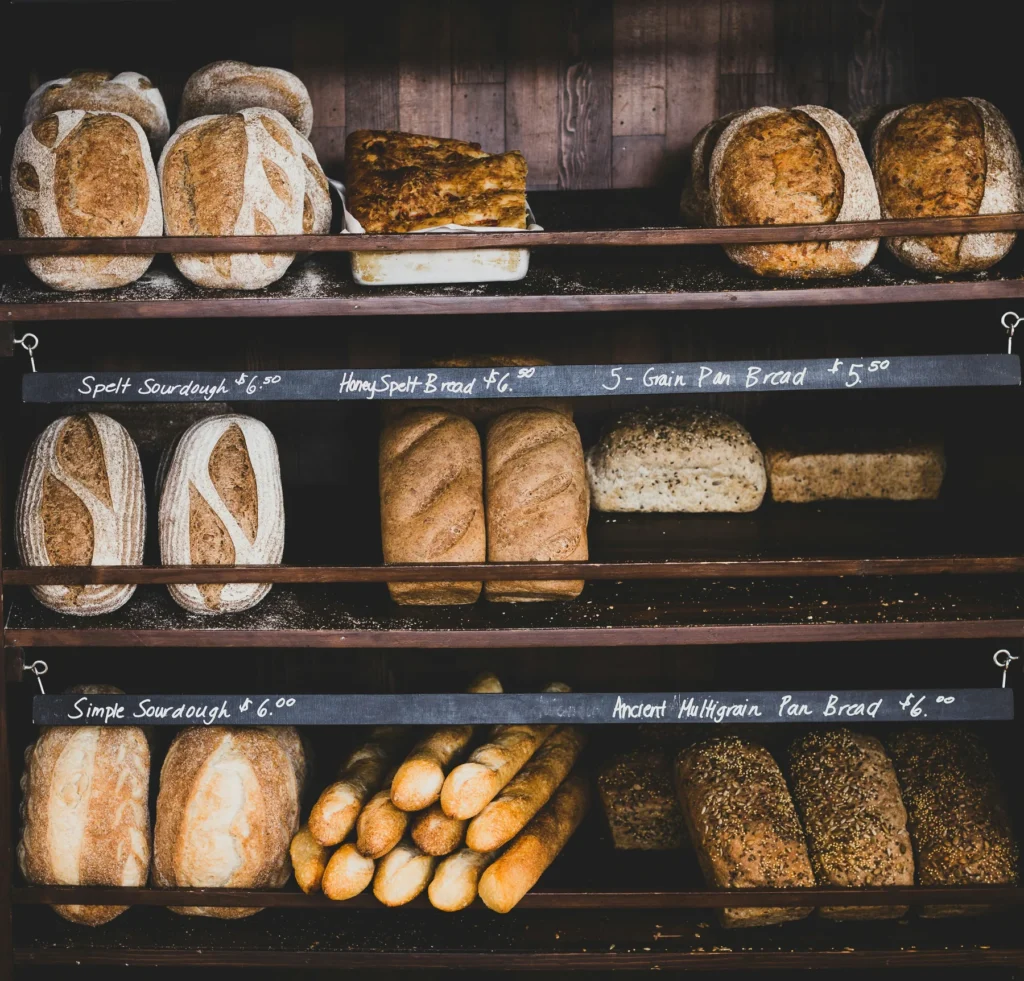
First Things First: Higher Gluten One of the biggest differences between the flour you get in America versus Europe is the gluten content. A majority of American flour comes from a red wheat variety that is naturally high in gluten—the protein that not only gives dough its chewy elasticity but also contributes to that bloating and inflamed feeling. Meanwhile, on the other side of the “pond”, European countries tend to favor their more dominant white wheat variety, which contains significantly less gluten and results in lighter, airier bread and pastries that go easy on your digestive system. The Difference in Production: Enrichment, Glyphosate, and Banned Ingredients Apart from the wheat variety itself, the U.S. and Europe have many other key differences in their flours. To start, unlike the E.U., the U.S. adds quite a few additives and ingredients to our flour – such as glyphosate, iron, and potassium bromate – which negatively affect our health and leave us feeling worse for wear. Starting from the top, American wheat isn’t genetically modified, but it is frequently treated with glyphosate–a chemical commonly used on GMO’d crops. And while, technically, it’s been deemed safe for human consumption by the big guys, there has been growing concern that this glyphosate ingredient heavily disrupts our gut microbiome, leading to digestive issues and other health concerns. In contrast, many countries in Europe have heavily restricted the use of glyphosate, because of its use in GMO products and negative affects on our gut health, and possible connection to cancer. Then comes the fact that outside of this not-quite-GMO ingredient, U.S. flour producers also tend to enrich their wheat. In the U.S., iron fortification is a common practice used to “enhance the nutritional value of flour.” However, the type of iron used in this process is actually not so easily absorbed by our bodies, leading to its accumulation in our guts and the promotion of undesirable bacteria growth. The U.S. has also mandated the use of other fortifications such as riboflavin and niacin and other B vitamins for all non-organic flours. European countries, on the other hand, do not fortify or enrich their wheat products. Outside of enrichment and glyphosate, most of the breads and flours you’ll find at your local grocer are likely to also contain additives and chemicals that are outright banned in Europe due to health concerns. Potassium bromate, for example, is used to help bread rise but has been linked to cancer in lab animals. Azodicarbonamide, as well, is used as a dough conditioner and leavening agent, but has also been linked to cancer in lab animals. Both of these products are often still used in American flour-based products. Despite these health concerns, the U.S. continues to permit these chemicals and additives in our food products, whereas Europe has opted to outlaw them to better protect consumers. Beyond The Baking Process: Slow Fermentation vs. Fast Production Outside of the ingredients they use when producing flour, the way bread and pastries are made also vastly differs between the U.S. and Europe. In Europe, traditional methods often involve slow fermentation (think: sourdough), where natural yeast and bacteria are given time to break down the dough’s carbohydrates and gluten making the final product easier to digest. In the U.S., however, speed has become the priority, leading to the use of dough conditioners, thickeners, and other additives to accelerate the process. These added ingredients make American bread and pastries feel heavier and harder to digest. The Flour, The Process, Your Body, and CORN The good news? It’s not all in your head and there really is a difference between the products we eat on our vacations in Europe versus the ones we have back home. From the differences in agricultural practices, added ingredients and baking processes, the differences in the delicious pastries you eat in the U.S. versus Europe greatly affect your health and gut microbiome. Sadly, if you’re allergic or sensitive to corn, the vast majority of these fortifications, flavor enhancers, preservatives, and dough conditioners are made from corn, so you’ll want to look for European style bread or can try your hand at making your own. So, if you’re craving something bread-y, but don’t want to risk the bloating and uncomfortable reactions, try seeking out high-quality flours to bring into your home or find a bakery that prioritizes European standards. Your gut might just thank you.
The truth behind Ancient Grains
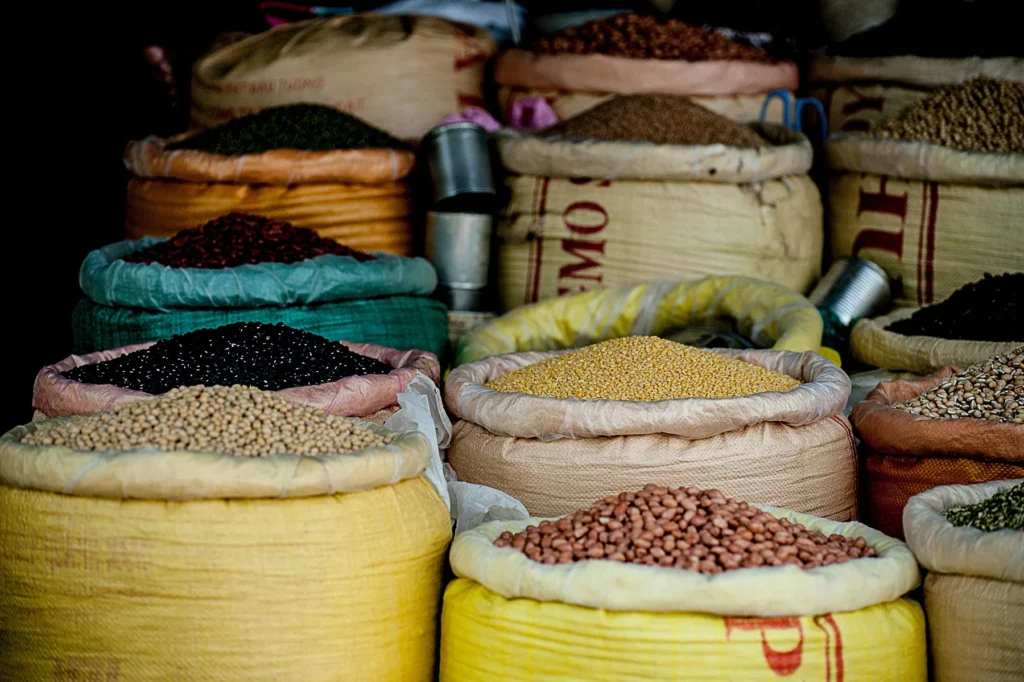
Have you ever wandered down the grocery store aisle and seen something labeled an “ancient grain”? You wouldn’t be alone in wondering what an “ancient grain” is. Well, don’t worry! We’ve got the answer for you all laid out. Essentially, ancient grains are grains that have been cultivated for thousands of years with minimal processing and are like tiny nutritional powerhouses waiting to be incorporated into your diet. Unlike their modern counterparts (think bleached white flour or enriched flour), ancient grains boast a wealth of vitamins, minerals, and fiber because they haven’t been stripped or heavily modified of said minerals. Unfortunately, there’s no official definition, but generally, you can consider them grains that haven’t been significantly altered over centuries—like the original, unfussy superfoods. Some familiar names you might recognize include quinoa, chia seeds, amaranth, and teff. There are quite a few benefits to incorporating these ancient grains into your diet, but here are some of our favs: Fiber-Packed: Ancient grains are packed with fiber, keeping you feeling fuller for longer, regulating blood sugar levels, and promoting healthy digestion—a triple threat to a happy gut! This is in stark differentiation from white flour, which tends to spike blood sugar without providing nutritional benefits. Nutrient Powerhouse: Another reason to love them is that ancient grains are bursting with essential vitamins and minerals like protein, magnesium, and iron. These power players work together to support strong bones, boost the immune system, and keep your energy levels up throughout the day. They’re a good choice for pre-diabetic individuals or those with other chronic conditions. Sustainable Choice: We love things that are good for you and the planet. Ancient grains generally require less water and pesticides than modern grains, making them a more eco-friendly option. Plus, their deep root systems help improve soil health—a benefit for the environment and future generations. So, are you ready to embrace the ancient grain revolution? You can quickly start incorporating these nutrient-rich options into your meals by simply swapping out their bland counterparts (like swapping white rice for protein-packed sorghum!). So ditch the refined and explore the power of these ancient nutritional gems! Here’s a roundup of some awesome ancient grains for you to take a look at as you scope out the grocery store aisles: Sorghum- The name of the grain around here! Sorghum, a naturally gluten free food, also has antioxidizing powers to neutralize free radicals in the body, is packed with iron and protein, and can be popped, cooked, and ground up to use as flour. Einkorn- A completely unadulterated, low gluten wheat that is great for those with gluten sensitivities, this grain is widely available in flour-form to substitute in your favorite baked goods! Quinoa- A widely popular substitute for rice, quinoa boasts 8 grams of protein per cooked cup. Millet- This anti-inflammatory grain can be eaten as a hot breakfast cereal or as part of a nutritious dinner. Amaranth- Amaranth can be linked to decreased risk of heart disease, inflammation and high cholesterol.Farro- Farro is high in antioxidants and serves as an amazing addition to soups and salads. Barley- This grain increases HDL (good cholesterol), while lowering LDL (bad cholesterol) making it a heart-healthy source of vitamins and fiber. Freekeh- Common in Middle Eastern cuisines, freekeh can even reduce the risk of eye diseases like cataracts due to the high levels of carotenoids it contains. Bulgur- Bulgur is beneficial for digestion and blood sugar control due to its fiber content, and is a staple ingredient of the popular Middle Eastern dish tabbouleh. Buckwheat- Along with some other ancient “grains” on this list, buckwheat is actually a seed that can be used as a grain replacement. Kamut- Nutty and high in fiber, this grain also boasts 100% of your daily recommended selenium intake in just one cooked cup! Teff- This gluten-free grain is high in iron and magnesium while also containing Vitamin C, which is unique for the grain family. Spelt- Along with emmer and einkorn, spelt makes up one of the three ancient wheat varieties AND makes a very tasty bread. Rye- Notable for its delicious and unique flavor, rye is a great alternative to wheat due to its high content of vitamins and minerals. Chia- Another example of a seed that can be used as a grain, chia is great on its own but can also be used to bind ingredients in baking recipes. Sources: https://wholegrainscouncil.org/whole-grains-101/whats-whole-grain/ancient-grains; https://www.realsimple.com/what-are-ancient-grains-7377600; https://healthmatters.nyp.org/nutritionist-ancient-grains/; https://www.goodrx.com/well-being/diet-nutrition/ancient-grains; https://www.healthline.com/nutrition/ancient-grains#TOC_TITLE_HDR_12